Vinyl vs. Wood Fence: Which Is Right for Your Seattle Home?
It's the classic backyard debate in the Pacific Northwest: the natural warmth of cedar, or the clean, zero-maintenance promise of vinyl? Both are great fences — but they suit different homeowners. Here's how they actually compare in Seattle's climate.
Upfront Cost
For a standard 6-foot privacy fence, professionally installed in Seattle:
- Cedar: pricing varies by grade, region, and installer — get multiple detailed quotes to compare.
- Vinyl privacy: $30–$65 per linear foot
Cedar can look cheaper on the first quote — until you factor in what comes next.
Maintenance: Where Seattle Weather Decides It
This is the big one. Seattle gets 150+ days of rain a year, and wood fences feel every one of them.
Wood needs re-staining or sealing every 2–3 years to prevent graying, warping, and rot. Each round costs you either a hired crew's fee or a full weekend plus materials if you DIY. Skip it, and a cedar fence in the PNW lasts 12–15 years instead of 20.
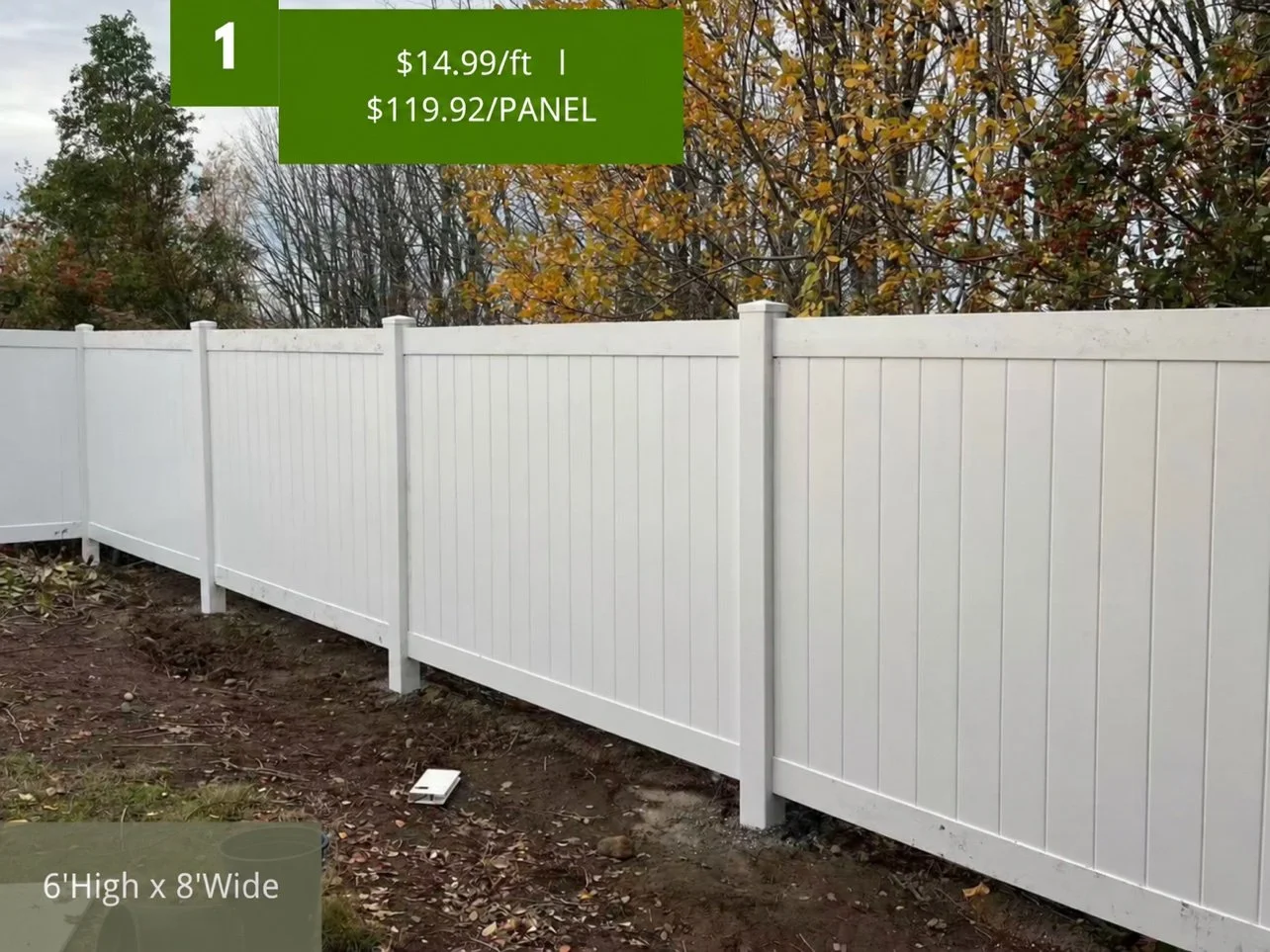
Vinyl needs… a wash. Once or twice a year, spray it down or wipe with soap and water. Moss washes right off. No staining, no sealing, no splinters, no rot — ever.
Over 20 years, a "cheaper" cedar fence can easily cost thousands more in maintenance than vinyl. That usually erases any upfront savings.
Lifespan and Warranty
- Cedar: 15–20 years with diligent maintenance; 10–15 without it.
- Vinyl: 30+ years. Smart Fencing backs all vinyl styles with a limited lifetime warranty covering fading, cracking, and warping (non-transferable — it stays with the original homeowner), and the wood-look composite line with a 30-year warranty. Professional installation includes a separate 2-year workmanship warranty from our install crew.
If you plan to stay in your home long-term, vinyl's lifespan advantage is hard to argue with.
Looks: The Honest Trade-Off
Let's be fair to wood: nothing beats the natural look of fresh cedar. It blends beautifully with PNW landscaping and takes stain colors well.
But modern vinyl has come a long way from the shiny plastic look of the 1990s. Today's options include:
- Tan, grey, and adobe tones that mimic stained wood
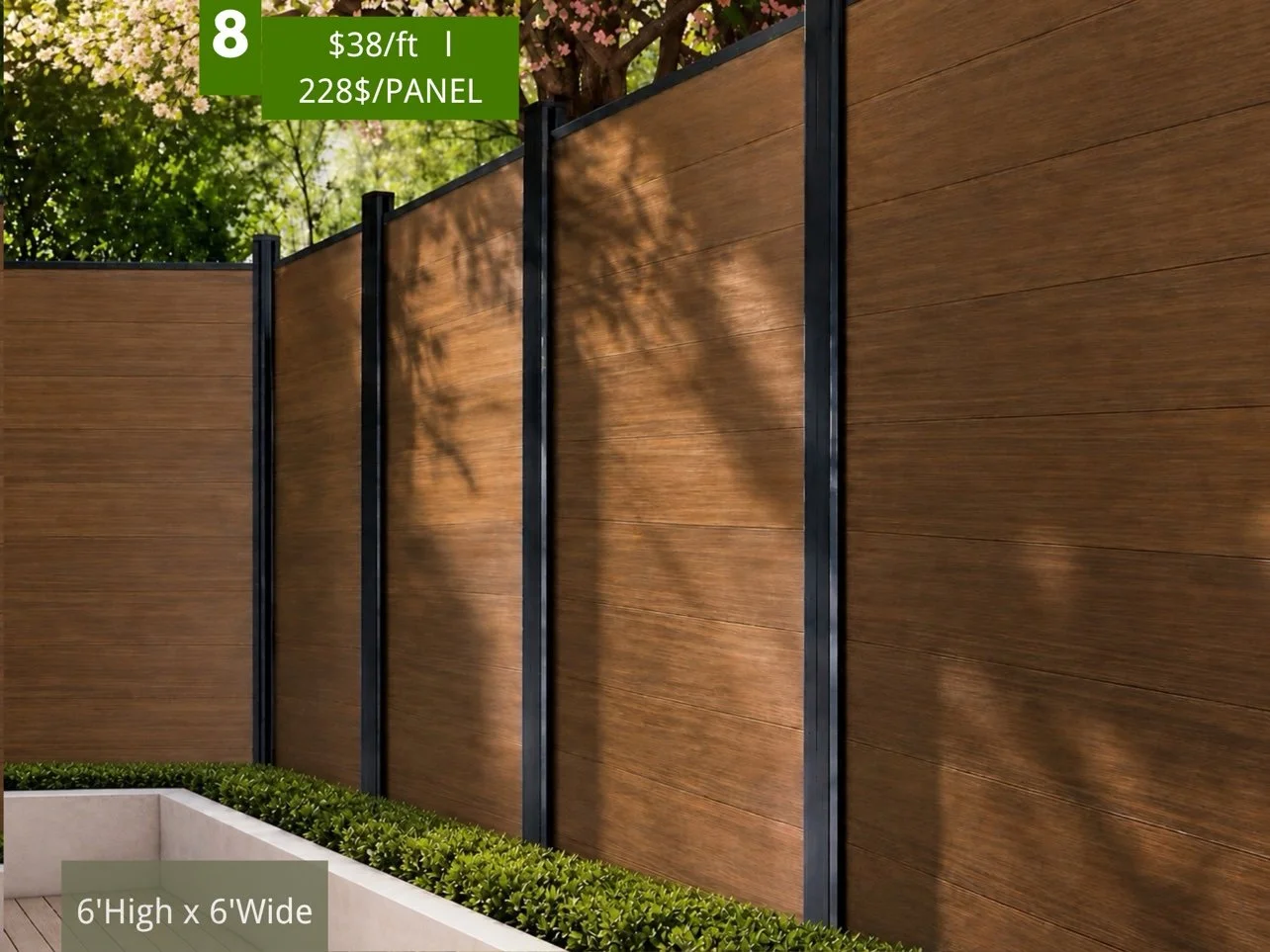
- Wood-look composite with realistic grain texture ($38/ft)
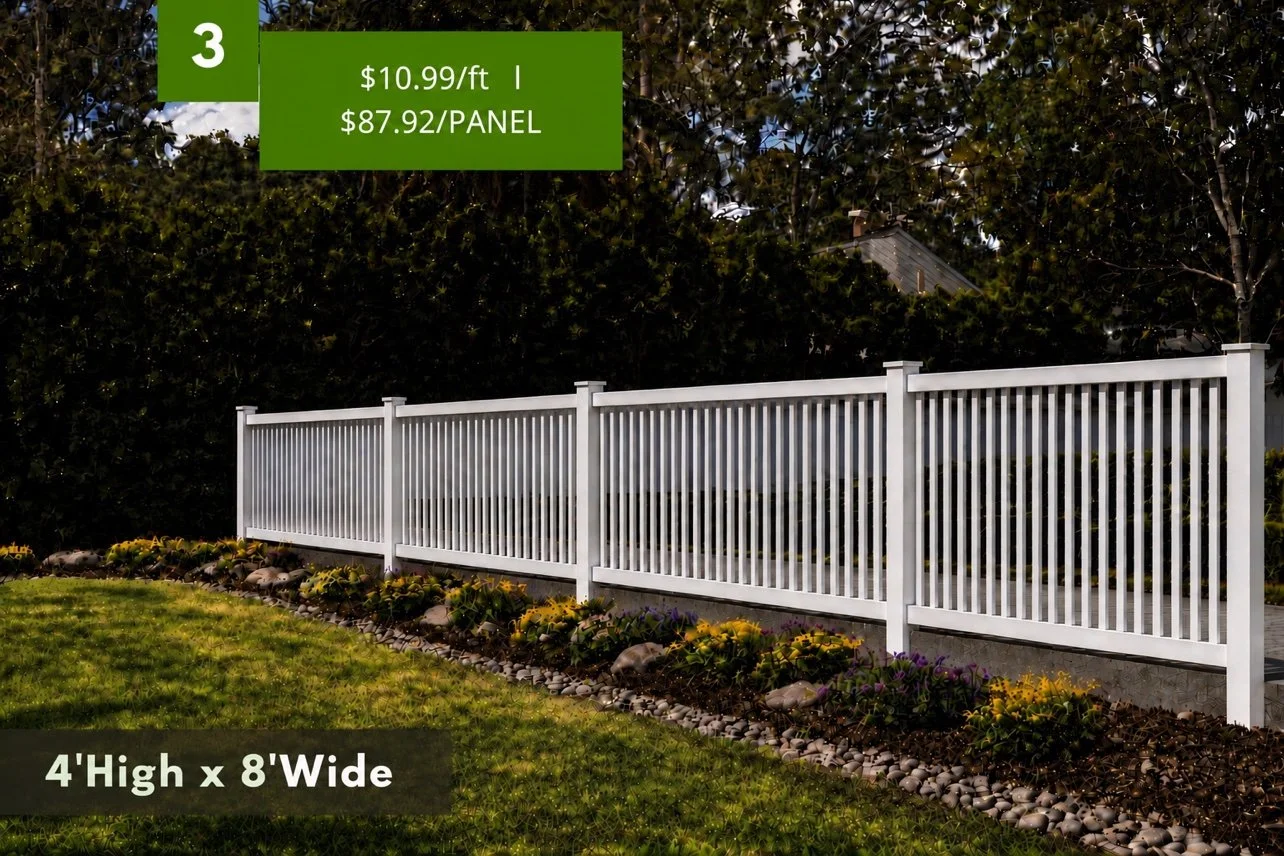
- Lattice-top and scalloped profiles for a softer, classic appearance
- Up to 10 colors, with custom sizes available
From the curb, quality vinyl is genuinely hard to distinguish from painted wood — and it looks the same in year 15 as it did on day one.
Privacy and Noise
Both materials deliver full privacy at 6 feet. Vinyl has a slight edge on noise: solid tongue-and-groove vinyl panels block a bit more street sound than board-on-board cedar, which shrinks and gaps as it dries.
Resale Value
Real estate agents in the Seattle area consistently report that a well-maintained fence adds curb appeal, and buyers love hearing "maintenance-free." A vinyl fence with a limited lifetime warranty is a genuine selling point — a weathered cedar fence nearing replacement is a negotiation chip for the buyer.
The Verdict
| Vinyl | Wood (Cedar) | |
|---|---|---|
| Upfront cost (150 ft, installed) | $4,500–$9,750 | varies by grade and installer |
| 20-year maintenance | ~$0 | significant (re-staining every 2–3 years) |
| Lifespan | 30+ years | 15–20 years |
| Maintenance effort | Wash occasionally | Stain every 2–3 years |
| Natural look | Good (composite excellent) | Best |
Choose vinyl if: you want the lowest total cost, hate maintenance, or plan to stay 10+ years.